When Is It Safe to Plant Summer Vegetables Across Maryland?
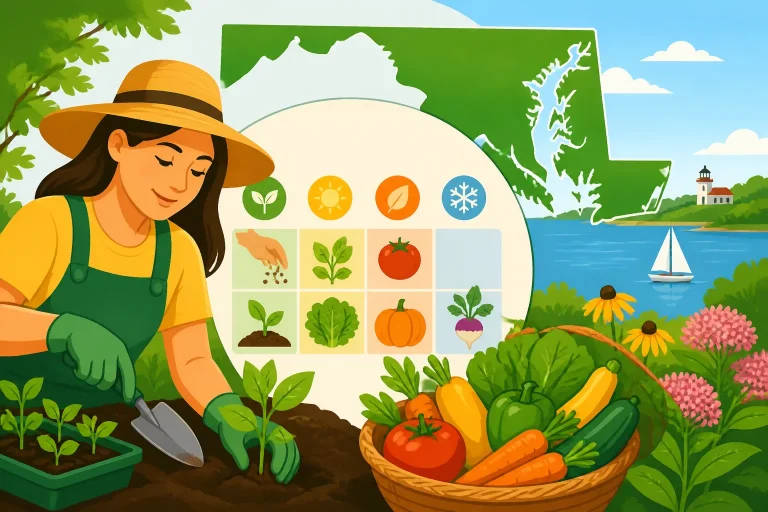
Maryland gardeners face a familiar spring dilemma: a warm spell makes the beds look ready, but a late cold night or chilly soil can set tender vegetables back. There is no single date that fits every county or crop. Use regional timing as a starting point, then check the forecast, soil, and needs of the plants you are putting out.
The safest answer depends on your location and crop
In most areas of Maryland, it is generally safe to plant tender annuals by the second week of May. According to University of Maryland Extension, “By the second week of May” is the general timing for tender annuals in most areas of the state. Treat that as a useful planning benchmark, not a guarantee that every vegetable can go into every garden bed on that date.
Summer vegetables do not all respond to cool weather in the same way. A tomato transplant may tolerate a brief cool spell better than a cucumber seedling, while a bean seed planted in cold, wet ground may fail to sprout well. Even when the air feels pleasant, the soil can still be too cool for heat-loving crops. A sunny, sheltered yard may also warm earlier than an exposed site nearby.
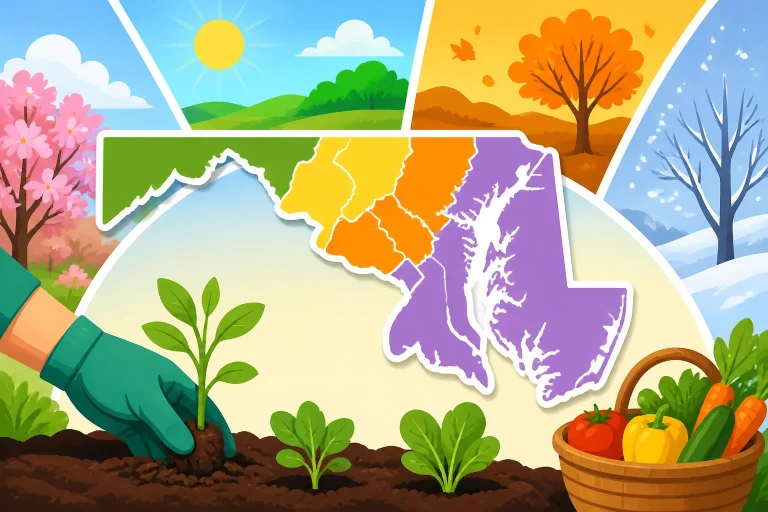
The University of Maryland Extension planting calendar was created for central Maryland. According to the University of Maryland Extension, gardeners can “shift planting a week or two earlier (Southern Maryland, the Eastern Shore, and Baltimore) or later (Western and Northern Maryland).” That regional adjustment is a guide for interpreting the calendar, not a substitute for observing conditions in your own garden.
A practical rule is to consider three things together:
- Regional conditions: Is your area generally earlier or later than central Maryland?
- Current weather: Are cold nights still appearing in the forecast?
- Crop readiness: Is the soil warm and workable enough for the crop, and have transplants been acclimated to outdoor conditions?
When these signals disagree, be cautious with the most cold-sensitive plants. You can plant a portion of your garden first, hold back some seedlings or seeds, and make the next decision after seeing how the weather behaves. That approach spreads risk without requiring you to delay every crop until conditions feel perfect.
It also helps to separate two questions that are often treated as one: “Can I put this plant outside?” and “Will it grow well in this bed right now?” A plant may survive a cool night but pause for days in cold soil. A plant that is technically safe outdoors may still be better off waiting until its bed is warmer and the forecast is more settled.
For a broader look at the seasonal windows, see Maryland Vegetable Planting: Spring and Fall Growing Windows. If you are using a calendar, remember that its dates are an organized starting point. Your location and the crop’s temperature preferences determine how to apply them.
Why summer vegetables do not share one planting date
The phrase “summer vegetables” covers crops with different ways of starting and different levels of cold sensitivity. Some are commonly transplanted as young plants; others are often sown directly in the garden. A suitable day for putting out tomatoes may not be suitable for sowing beans, cucumbers, or melons.
Transplants and direct-sown crops face different risks
A transplant already has leaves and roots developed in a pot or seed-starting tray. Moving it outdoors exposes it to wind, bright sunlight, changing temperatures, and different moisture conditions. Even a healthy transplant can wilt or stall if the transition is abrupt. A cold night may be especially stressful for a plant that has not been gradually exposed to outdoor conditions.
Direct-sown seeds face a different challenge. They are surrounded by the soil from the start, so the ground’s temperature and moisture have a strong influence on whether they sprout and establish. Cold, wet soil can slow germination and leave seed vulnerable to rotting. If the ground is too cool, sowing early may not produce an earlier harvest; it may simply leave seeds waiting in the bed.
That is why the best timing can differ even among crops that ultimately enjoy warm weather. A gardener might set out a sturdy transplant while waiting to sow a heat-loving crop directly. The decision is not just about the calendar; it is about how the crop begins.
Warmth matters after planting, too
Planting is only the first step. Vegetables need enough warmth to continue growing. If temperatures drop after planting, a crop may pause, show stress, or grow unevenly. A seedling that survives a chilly spell may not immediately resume vigorous growth.
Soil warmth is particularly useful when deciding whether to sow crops that prefer warm ground. Air temperatures can rise during a sunny afternoon while the soil remains cool, especially in shaded beds, heavy soil, or a site that has only recently thawed and dried. For more detail on this distinction, see Timing Spring Vegetable Sowing by Soil Temperature.
A simple hand check can tell you whether soil is workable and moist, but it cannot measure temperature precisely. If you use a soil thermometer, take readings in the part of the bed where seeds or roots will sit, rather than relying on the feel of the surface mulch. Track conditions over time instead of drawing a conclusion from one unusually warm afternoon.
A hardiness zone is not a planting date
A plant hardiness zone describes winter cold patterns and helps assess whether a perennial plant can survive winter. It does not tell you when spring frost risk has passed or whether soil is warm enough for a vegetable seed to germinate. Two gardens in the same general zone can have different spring conditions because of elevation, exposure, drainage, and nearby structures.
For the distinction, read Why Hardiness Zones Do Not Tell You When to Plant Spring Crops. A zone map can help with long-term plant selection, but it should not be used as a stand-alone schedule for putting tender vegetables outdoors.
If you are comparing calendars, use one that is intended for Maryland and then make local adjustments. Frost Dates and Planting Windows Across Maryland Climates can help frame how regional conditions affect planting choices. A frost date is a planning aid, not a promise about what the weather will do in a particular spring.
Adjust timing across Maryland’s regions and garden sites
Maryland’s growing conditions vary from the warmer coastal areas to cooler inland and elevated locations. The state’s geography means a planting schedule made for central Maryland may need adjustment elsewhere. Even within a region, a windy slope, a low-lying garden, and a sheltered bed beside a building can behave differently.
Use regional guidance as a starting point
If your garden is in Southern Maryland, on the Eastern Shore, or in Baltimore, the central Maryland calendar may often point later than local conditions warrant. If you garden in Western or Northern Maryland, the same calendar may suggest planting before your site is ready. Those are broad patterns, not instructions to plant automatically earlier or later.
Consider how your local weather typically behaves, then look at the forecast before committing all your plants. If the calendar and forecast point in different directions, the near-term weather deserves attention. A warm stretch can create a tempting planting window, but the return of cold nights can change the decision quickly.
For regional examples and timing considerations, Maryland Planting Dates: Shifting Schedules by Region and County and Why Western Maryland Vegetable Schedules Shift Later in Spring offer additional context. The goal is not to find a perfect date for an entire region. It is to make a sensible adjustment for the conditions around your garden.
Notice the small-scale conditions in your yard
Your garden’s microclimate can shift the way a planting window feels. A south-facing bed beside a wall may warm earlier than an open bed. A low area can collect cold air, while a breezy site may stay exposed even when nearby gardens are protected. Shade can keep soil cool for longer, and a raised bed may warm and dry differently from the surrounding ground.
Do not assume that a protected spot is always ready. A warm wall can encourage early growth, but it cannot prevent an unexpected cold night. Similarly, a raised bed may warm quickly but can dry out faster. Use these features to understand your site, not to bypass the forecast.
Low spots deserve particular attention. Cold air can settle there, making a garden feel colder than a nearby patio or porch. If seedlings in one part of the yard repeatedly struggle while others do well, the difference may be the site rather than the planting date. How Low-Lying Frost Pockets Delay Spring Garden Planting explains why those areas can call for extra caution.
Keep simple notes as the season progresses. Record when you planted, where the bed was, whether the soil felt cool or warm, and how the crop responded. Over time, that record can reveal patterns in your own yard. Keeping Garden Records to Plan Next Year’s Planting Schedule has ideas for turning those observations into a more useful calendar.
Respond to forecasts, not a fixed date alone
A forecast is not a guarantee, but it is an important part of a planting decision. Pay attention to predicted overnight lows and any mention of frost, as well as the length of the coming cool spell. Conditions can differ across a large area, so use a forecast that represents your garden’s location as closely as possible.
If a cold night is possible, delay planting the most tender crops when you can. If plants are already outside, protective covers may reduce exposure, but their effectiveness depends on the cover, how it is secured, and the weather. Remove or adjust covers when conditions warm as needed, and do not assume that a cover makes every cold event harmless. For sudden temperature changes, see Protecting Early Spring Starts During Sudden Night Temperature Drops.
A forecast that looks favorable for planting today does not mean the garden is permanently past risk. Continue checking conditions after planting, especially while transplants are establishing. This is one reason a staged planting plan can be more reliable than putting every seedling and seed in the ground at once.
How to decide whether a bed is ready
A good planting decision combines the calendar with an on-the-ground check. Before planting, consider the soil, the weather, the plant’s condition, and what you will do if conditions change.
Check that the soil is workable
Soil that is waterlogged or sticky is difficult to work and can be damaged by digging or repeated foot traffic. If a handful of soil smears heavily or clings in a dense lump, wait for it to drain and become easier to handle. Working wet soil can compact it, leaving roots with less air and making later bed preparation harder.
On the other hand, soil that is very dry and powdery may need attention before seeds or transplants go in. Watering the bed and allowing moisture to distribute can help create more even conditions. Avoid judging readiness from the surface alone: the top may look dry while the soil below is still saturated, or it may appear damp while the root zone is dry.
Clear weeds and any debris that would interfere with planting. If you are preparing a new bed, make sure the finished soil surface is even enough for seeds to be planted at a consistent depth, while avoiding unnecessary compaction. For larger soil questions, see Managing Soil Moisture Across Maryland Clay, Loam, and Sand and Understanding Your Garden and Lawn Soil Test Report.
Check the actual planting area
A sunny porch or a warm deck does not tell you how warm the vegetable bed is. Check conditions where the crop will grow. In a large bed, shaded and exposed areas may differ. If you use a thermometer, take readings at the depth that is relevant to the seed or transplant root zone, and repeat the check rather than relying on a single moment.
The right test depends on the crop. For crops that need warm soil, wait for the planting area to warm consistently rather than being reassured by a brief spell of mild weather. A crop-specific resource can help you judge what conditions suit a particular vegetable. For cucumbers and melons, see When Is Soil Warm Enough for Cucumbers and Melons in Maryland?.
Acclimate transplants before setting them out
Seedlings raised indoors or purchased from a protected setting need time to adjust to outdoor light, wind, and temperature. This gradual transition is often called hardening off. Start by giving plants limited exposure in a sheltered place, then increase their outdoor exposure as they handle it. Bring them back under protection when conditions are harsh or cold.
Watch the plants rather than following a rigid routine. Leaves that scorch, wilt persistently, or look battered by wind are signs that the transition may be too abrupt. Keep pots from drying out, but avoid leaving them waterlogged. If a cold spell is forecast during acclimation, pause the transition and resume when conditions are more suitable.
Hardening off does not make a tender crop frost-proof. It prepares a transplant for ordinary outdoor conditions; it does not remove the need to consider the forecast. For a fuller method, see Acclimating Tender Transplants to Maryland Garden Beds.
Consider the plant’s condition
Choose transplants that look healthy and sturdy, with well-formed leaves and no obvious signs of severe stress. A plant that is already wilted, damaged, or root-bound may need care before it is ready for the garden. A small, healthy transplant can establish well; a larger plant is not automatically a better choice if it has been stressed in its pot.
Water transplants before planting if their potting mix is dry, and handle them gently. Keep the roots intact as much as possible. Set each plant at an appropriate depth for that crop, and firm the surrounding soil lightly so there are no large air gaps. Water after planting to settle the soil around the roots.
If the day is bright, hot, or windy, transplanting later in the day can reduce immediate stress. Keep an eye on newly planted seedlings and provide temporary shade if they are wilting in strong sun while they establish. Avoid leaving a cover in place without checking the plants and conditions; protection should not become a source of overheating.
Planting windows by crop type
The table below is a practical way to think about summer vegetables without treating them as if they all share one planting date. It describes general approaches, not a statewide schedule. The specific conditions in your garden still matter.
| Crop group | Common planting approach | What to check before planting |
|---|---|---|
| Tomatoes and peppers | Usually planted as transplants | Regional timing, a settled forecast, and gradual acclimation |
| Beans and corn | Often sown directly outdoors | Soil warmth, moisture, and the forecast after sowing |
| Cucumbers, squash, and melons | Sown directly or planted as transplants | Warm soil, protection from cold nights, and room to grow |
| Basil and other tender annual herbs | Often transplanted or sown after conditions warm | Cold-night risk and the plant’s adjustment to outdoor conditions |
Tomatoes and peppers
Tomatoes and peppers are commonly started indoors or purchased as transplants, so their outdoor readiness depends on both weather and preparation. A transplant that has been kept indoors needs acclimation. Check the forecast and avoid setting out all your plants just because daytime conditions feel pleasant.
For tomatoes, use a crop-specific calendar as a reference and adjust it to the local conditions. When to Plant Tomatoes in Maryland: Sowing and Transplant Dates focuses on the timing question for that crop. Peppers also need warmth to get established, so placing them in cold soil simply to meet a calendar date may not help them gain ground.
Give transplanted crops enough room for air movement and growth, following the spacing guidance on the seed packet or plant information. Water consistently while roots establish, without keeping the bed saturated. Watch for wilt, leaf damage, and poor growth after planting; those signs may reflect transplant stress, cold conditions, or water issues rather than a need for extra fertilizer.
Beans and corn
Beans and corn are often planted directly in garden soil, making soil warmth and moisture important. If seed is put into ground that is too cold or wet, germination may be slow or uneven. Waiting for suitable soil can lead to a more dependable start than sowing at the earliest possible opportunity.
Prepare a smooth seedbed and follow the seed packet for planting depth and spacing. Keep the soil evenly moist while seeds are germinating, but avoid leaving it waterlogged. If a heavy rain or prolonged cool spell is forecast, consider whether it is better to wait before sowing. The ideal choice depends on the bed’s drainage and how quickly it warms.
Do not assume that every seed will emerge at once. Check the bed for seedlings and weeds, and avoid disturbing the soil unnecessarily while waiting. If emergence is patchy, look at the soil condition and planting depth before resowing. The cause may be cold ground, uneven moisture, seed disturbance, or another site-specific issue.
Cucumbers, squash, and melons
These crops generally prefer warm growing conditions, so a sunny afternoon alone is not a reliable signal that the bed is ready. Check soil warmth, nighttime forecasts, and how quickly the site dries after rain. A sheltered bed may be suitable before an exposed one, but tender growth can still be vulnerable if cold weather returns.
You can sow these crops directly or plant transplants, depending on your preference and the crop. Direct sowing avoids the transition from pot to garden but puts the seed entirely at the mercy of the soil. Transplants can give plants a head start, but they need careful acclimation and gentle handling. Either approach can work when the conditions suit the crop.
Avoid placing transplants into a bed that is likely to stay cold and wet. Give sprawling crops enough space according to seed or plant instructions, and consider how their growth may shade neighboring plants. For details about cucumbers and melons, see When Is Soil Warm Enough for Cucumbers and Melons in Maryland?.
Tender herbs and other warm-season plants
Some herbs and ornamentals are also tender annuals, and their timing often overlaps with summer vegetables. Basil is a common example of a plant that dislikes cold conditions. If you are combining herbs with vegetables, do not assume that a bed is suitable for every plant just because one crop can tolerate the conditions.
Group plants with similar needs where practical. That makes watering and temporary protection easier to manage. If one part of the garden remains cool or shaded, reserve it for crops that are less demanding about warmth rather than trying to force a tender plant into an unsuitable spot.
Follow seed packets and plant labels for crop-specific directions. They are especially useful for spacing, planting depth, and whether the crop is better sown directly or transplanted. Those instructions cannot predict your local weather, but they help prevent avoidable errors once you have decided that conditions are suitable.
A low-risk plan for planting and caring for summer crops
You do not have to make a single all-or-nothing decision. A staged plan lets you respond to changing spring weather and learn how your own garden behaves.
Prepare beds before the planting window
Choose a site that suits the crop’s light and drainage needs. Clear competing weeds and loosen the planting area without working it when it is wet. If the bed has a history of standing water, address drainage and placement before adding tender crops. Raised beds can offer a different warming and drainage pattern, but they are not automatically better for every site.
Use soil-test information when deciding whether the soil needs an amendment. Adding fertilizer or other material without a reason can create problems rather than solve them. For help with bed preparation and amendment decisions, see Soil Amendments for Maryland Gardens: When to Add Lime or Compost.
Make sure irrigation or a watering source is available before planting. Newly set transplants can dry out more quickly than established plants, especially in wind or strong sun. Plan to check the root zone, not just the soil surface, and adjust for rainfall and drainage.
Plant in stages when uncertainty remains
If the forecast is mixed, plant a portion of your crop and hold back the rest. That gives you a chance to see how the first plants respond before committing the remainder. For direct-sown crops, a staged approach can also reduce the risk that an entire planting is affected by a cold, wet spell.
Staging is particularly useful if your garden contains different microclimates. You might start in a sheltered, sunny bed while waiting to use an exposed or low-lying area. Keep notes about where each crop went and how it performed. A planting that thrives in one bed may struggle in another, even if both are in the same yard.
Avoid comparing your garden too closely with a neighbor’s. Their site may be more protected, have different soil, or receive more direct sun. Use other gardeners’ experience as a clue, then make the final decision based on your own conditions.
Protect plants without assuming protection solves everything
Temporary covers can help shield plants from a brief cold or windy spell, but they are not a substitute for choosing a suitable planting time. The type of cover, how well it is secured, and the weather all affect how useful it will be. A cover can also trap heat on a sunny day, so check conditions and remove or vent it as appropriate.
Keep coverings from crushing leaves or rubbing against tender growth. Secure them so wind does not pull them loose. If a cold event is expected, use protection only as part of a broader plan, and be realistic about its limits. A very tender crop planted too early may still be damaged.
For newly planted vegetables, protection from wind and harsh sun can also reduce stress during establishment. Temporary shade may help a transplant adjust on a hot, bright day, but it should not leave the plant without the light it needs for ongoing growth.
Watch the plants after planting
After planting, inspect the bed regularly. Look for wilt, discolored leaves, chewed foliage, damaged stems, and changes in soil moisture. A plant that looks limp in the afternoon may be reacting to heat, while persistent wilting can point to a water or root problem. Check the soil before watering rather than using a fixed routine.
If growth stalls, consider the full set of conditions. Cold nights, cool soil, waterlogged roots, dry soil, wind exposure, and transplant shock can all interfere with establishment. Adding fertilizer is not a universal fix and may not address the cause. Follow product labels if you use any garden product, and seek crop-specific advice when symptoms are unclear.
Keep weeds from competing with young crops, but cultivate carefully around shallow roots. Mulch can help conserve moisture and suppress weeds once the soil has warmed, though a thick layer placed too early may slow warming in some beds. Adapt the approach to the crop and site rather than applying the same practice everywhere.
Keep the next planting decision flexible
A useful planting calendar is a living plan, not a deadline. Start with Maryland-wide and regional guidance, check the forecast and soil, then adjust to the specific crop. If the first planting establishes well, you can continue. If it struggles, use that information to adjust the next sowing or transplanting decision.
Record the planting date, location, weather pattern, and what happened. Include whether a crop was direct-sown or transplanted and whether it received temporary protection. Those details can help you tell whether a setback was related to timing, site, water, or another factor.
The main advantage of this approach is not perfect prediction. It is avoiding preventable stress while preserving options. A little patience with the cold-sensitive crops, paired with timely action when conditions are favorable, is more useful than treating any calendar date as a guarantee.
Frequently Asked Questions
Can I plant all summer vegetables by the second week of May?
No. University of Maryland Extension gives the second week of May as a general safe point for tender annuals in most areas, but vegetables differ in cold tolerance and soil-warmth needs. Check conditions for each crop.
Should gardeners in Western and Northern Maryland wait longer?
The central Maryland calendar may need a later adjustment in those regions. Use the forecast and your garden’s conditions to decide whether to wait, rather than relying only on a regional label.
Is a warm afternoon enough reason to plant?
Not necessarily. Soil can remain cool after the air warms, and cold nights may return. Check soil conditions and the forecast before planting tender crops.
Does a hardiness zone tell me when to plant vegetables?
No. A hardiness zone helps describe winter cold for plant survival; it does not establish a spring planting date or show whether garden soil is warm enough.
Sources
- University of Maryland Extension — When to Plant Vegetables | University of Maryland Extension (checked November 15, 2026)
- University of Maryland Extension — Spring Frost or Freeze Dates in Maryland | University of Maryland Extension (checked November 15, 2026)
Disclaimer
This article is for general informational purposes only and does not constitute professional advice. Laws, prices and regulations vary by location and change over time. Consult a qualified professional for guidance on your specific situation. Maryland Gardening Guide is not a government agency and is not affiliated with any university extension, state department of agriculture or other government agency.